






Connect with a Lima One expert today!
If you’d like to know more about this topic or see how it applies to your project, let’s talk.
BlogNew ConstructionReal Estate 101Scaling Your Portfolio
The Construction Draw Process Explained for Real Investors
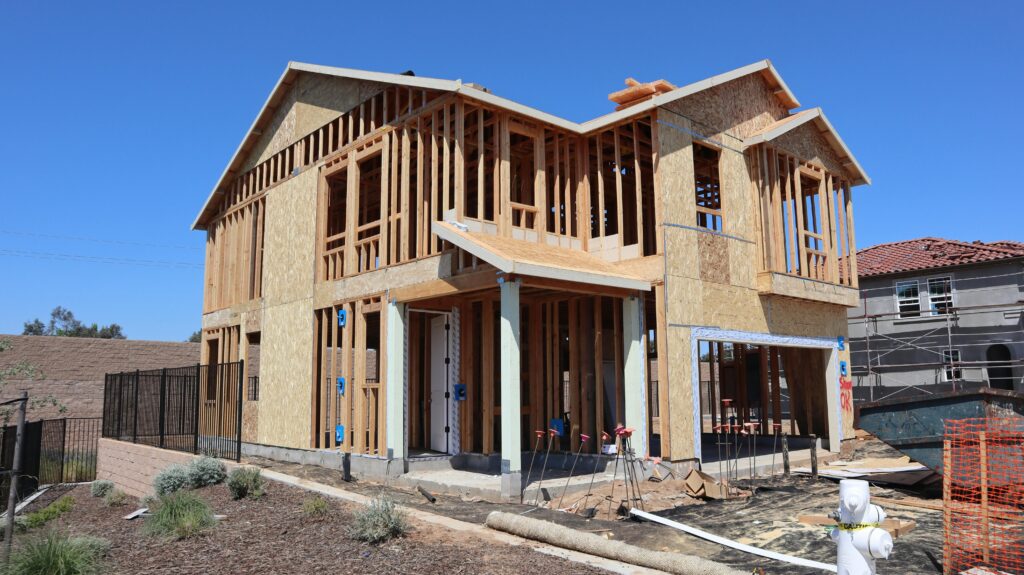
A key part of real estate investment loans is the construction draw process. Investors who use fix and flip loans to purchase and rehab properties, and builders who invest in developments, spec homes, or infill projects, need to understand the ins and outs of the draw process to successfully complete their projects.
With a draw process, a flipper or builder can request funds for work as it is completed. This gives them access to funds in stages, not just in one lump sum. A simple inspection process ensures that work is being completed as planned, and then the money hits the investor’s bank account.
The construction draw process benefits flippers and builders because it:
- Reduces the initial cost of financing.
- Allows investors to manage liquidity in line with their strategy.
- Allows investors to pay contractors and subcontractors as they do work throughout a project.
- Ensures that projects stay on track, both in terms of timing and budget.
- Ensures that funds are used as budgeted.
- Keeps lenders informed on the progress of projects.
Different lenders use different processes and timelines, and there can be notable differences in how construction draws affect payments. In this post, we’ll explain how construction draws and rehab draws work at Lima One Capital, and how our process is designed to benefit investors.
What Is a Construction Draw?
- A draw is a disbursement of funds during a construction or renovation project.
- Funds are released after specific work milestones are completed.
- The draw process can repeat, and it continues until the project is finished.
- The total of draws may add up to the total construction or rehab budget included in the loan, but investors are not required to draw the entire amount.
One important question for investors to ask is whether they will pay interest on construction funds before they are drawn. Some lenders use the term Dutch interest or non-Dutch interest to answer this question. Dutch interest (also called full boat interest) means an investor pays interest on the full construction budget from loan origination, while non-Dutch interest means that investors do not pay interest on construction funds until they are drawn. At Lima One Capital, neither flippers nor builders are charged interest on undrawn funds, which means all loans are non-Dutch interest.
How the Construction Draw Process Works
Here’s how the construction draw process works at Lima One.
Step 1: Project Scope and Budget Approval
Before the fix and flip loan or new construction loan closes, a Lima One construction analyst will review the project’s construction or rehab budget to ensure it is sufficient for the project as planned.
Lima One will review plans, budgets, and general contractor experience as part of the loan underwriting process.
Step 2: Completing Work Milestones
As the investor completes steps in the project, they become eligible for draws. Some key steps may include:
- Foundation work or repair
- Framing
- Rough-in plumbing
- Interior renovations
- Final finishes
Once work on any section is completed, an investor is eligible to submit a construction draw to reimburse for completed work. Drawing in this manner allows investors to pay subcontractors as they complete their assigned portions of the build or rehab.
Step 3: Submitting a Draw Request
When an investor decides to submit a draw request, they will indicate which budget line items from the approved construction or rehab budget are complete. Lima One will then begin the inspection process.
Step 4: Draw Inspection
Lima One verifies the work is complete either by sending an inspector or by using our FastTrack draw process. The FastTrack process takes less time because Lima One sends the investor a link to a smartphone app onto which they can upload pictures of completed work. Inspections confirm progress and protect both the borrower and the lender by keeping the project on time and on budget.
Step 5: Draw Funding
Once Lima One verifies the work is complete, it will release the draw funds to the investor’s bank account. Investors will pay a nominal fee on each draw, and the released funds will be added to the loan proceeds in interest calculations.
The entire draw process can take as little as one business day for investors who use the FastTrack draw process.
Why the Draw Process Matters for Real Estate Investors
Real estate investors need to focus on the draw process because it affects how they:
- Pay contractors and subcontractors in a timely manner, to ensure good relationships that lead to work on future projects.
- Manage cash flow to balance liquidity and interest payments according to their strategy.
- Remove risks from the process by assuring that projects remain on time and on budget. Delays in draw funding can slow construction progress and increase carrying costs.
Construction Draws for Fix –and Flip vs. New Construction Projects
Lima One’s construction draw process applies to two types of loans: fix and flip loans and ground-up construction loans.
Draws for Fix and Flip Projects
Fix and flip projects use construction draws, whether they are cosmetic rehab projects with small budgets or heavy rehab projects that move walls or add square footage to a property.
On either type of project, investors can use construction draws to be reimbursed for completed work while the rehab is ongoing.
Draws for Ground-Up Construction
New projects may involve draw milestones tied to major construction milestones, such as:
- Foundation
- Framing
- Mechanical systems
- Interior completion
Still, the construction draw process operates in the same way by reimbursing for completed work. On a new construction project, this is especially important because of the need to pay subcontractors as they complete their assigned phases of work.
The Lima One Draw Process Advantage
Lima One’s draw process offers investors major advantages, including:
- An in-house team to manage draw requests for maximum efficiency and proactive communication.
- One-day FastTrack draws available on many projects.
- Flexibility in how to implement draws to fit each investor’s strategy.
Financing Construction and Renovation Projects with Lima One
Lima One offers construction draws on loans that include rehab budgets or construction budgets, including:
The Lima One Advantage for Construction and Renovation Investors
Construction draws are a key contributor to an investor’s success on fix-and-flip projects and ground-up builds. Understanding the draw process and key differences between lenders on how interest is charged will give investors more control over their projects and the ability to manage the total cost of funds.
If you have a rehab or construction project in need of financing, Lima One’s in-house team is ready to serve you both before the loan closes and during construction. Talk to an expert now to start the financing process.
Subscribe for More Insights
Get the latest industry news & Lima One updates.